Menu ☰
Breast Aesthetics4 procedures
Aesthetic Surgery8 procedures
Reconstructive4 procedures
Minimally Invasive6 treatments
Aesthetic Surgery
Fat Transfer – Lipofilling
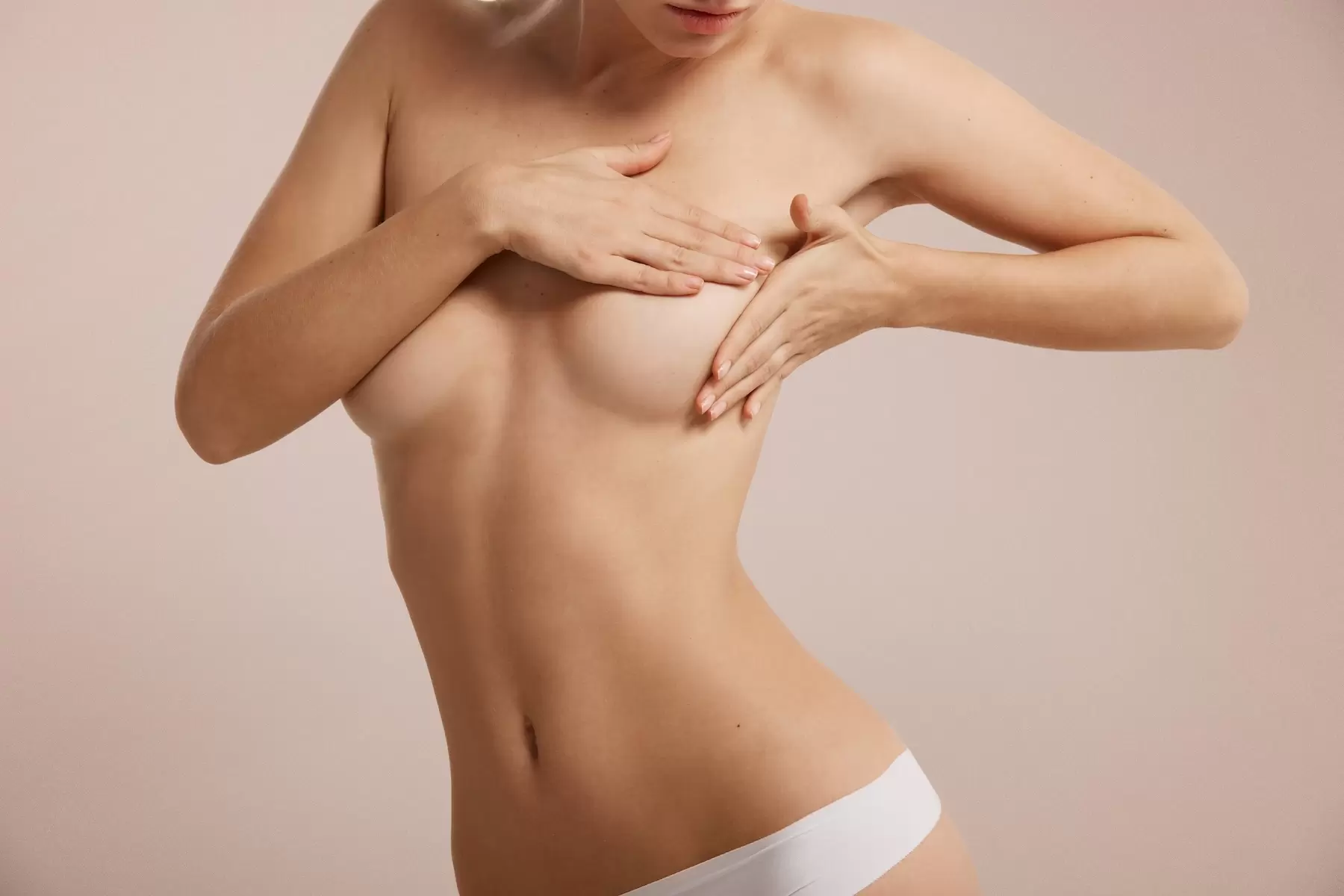
Fat transfer is a widely used technique in plastic surgery that harnesses the patient’s own fatty tissue to refine the contours and appearance of various areas of the body.
What you should know
Fat Transfer – Lipofilling
Consultation
Every plan is tailored to you. Discuss your options with our surgeons.
Call 216 002 3854 ↗Fat transfer is a widely used technique in plastic surgery that harnesses the patient’s own fatty tissue to refine the contours and appearance of various areas of the body.
In essence, fat is removed by liposuction from an area where there is an excess (e.g. the abdomen, thighs or buttocks) and, after appropriate processing, is injected into another area that needs “filling” or an improvement in volume and shape.
Where Fat Transfer Is Used
- Breast Augmentation
For women who would like a mild to moderate increase in size, a natural feel and to avoid foreign bodies (implants). - Buttock Reshaping (Brazilian Butt Lift)
Adds volume and shape and enhances the contour of the buttocks. - Correction of Imperfections & Scars
Fills depressions or irregularities in various areas of the body and face, such as indentations following injuries or surgery. - Face – Volume Restoration
Enhances the cheekbones, “fills” wrinkles and improves hollows (e.g. under the eyes), for a more youthful appearance. - Liposuction – fat transfer – liposculpture
In many cases, liposuction is combined with fat transfer anyway, as part of liposculpture, for optimal results.
Benefits of Fat Transfer
- Autologous Material: The patient’s own fat is used, reducing the likelihood of rejection or allergic reactions.
- Natural Feel & Result: The fatty tissue integrates more smoothly into the treated areas, offering a natural texture.
- Dual Aesthetic Benefit: While the recipient area is enhanced, the donor area is also improved, as excess fat is removed through liposuction.
- Small Incisions: Both liposuction and injection are performed through fine cannulas, leaving only very small marks.
Despite these advantages, it should be noted that a proportion of the injected fat (10–40%) is naturally absorbed by the body, which is why results may differ from the initial post-operative stage. In addition, there must be a sufficient excess of fatty tissue to cover the area of interest, and additional sessions of fat transfer may be required. Finally, success depends to a large extent on the surgeon’s experience, both in harvesting and processing the fat correctly and in injecting it methodically.
The Fat Transfer Procedure
- Pre-operative Assessment
A clinical examination, possibly blood tests, and planning of the harvesting and injection areas. - Liposuction
Special cannulas are used, usually under local anaesthesia or a combination of local anaesthesia and sedation (for small areas) or under general anaesthesia (for more extensive ones), to remove fat from the abdomen, thighs, buttocks or other areas. The fat is then processed to remove fluids and damaged cells. - Fat Injection
The purified tissue, enriched with viable fat cells and stem cells, is injected into the target area (e.g. breasts, buttocks, face) in successive layers, to optimise blood supply and fat survival. - Post-operative Care
Rest is required, along with avoiding pressure on the injected area (particularly the buttocks, for a period of time) and wearing a special compression garment over the areas treated with liposuction. Swelling and bruising subside gradually over 2–4 weeks.
Fat Transfer: Key Principles and the Role of Stem Cells
Fat transfer relies on using fatty tissue as an autologous material to improve volume and shape in various areas of the body. Among other things, this fatty tissue contains valuable multipotent cells, known as adipose-derived stem cells, which contribute to better integration of the injected fat and to subsequent tissue renewal.
The Biological Basis of Fat Transfer
- Autologous Fatty Tissue
The fatty tissue removed (usually from the abdomen, thighs or buttocks) is rich in mature fat cells (adipocytes) as well as stem cells (ADSCs). These stem cells are able to differentiate (under suitable conditions) into various cell types, while also contributing to the healing and regeneration process through the secretion of important growth factors. - Survival of Fat Cells & Stem Cells
The success of fat transfer depends largely on adequate blood supply to the area where the fat is grafted, so that the fat cells and stem cells are properly nourished. Stem cells promote the formation of new blood vessels (angiogenesis) and improve the integration of the fatty tissue, increasing the likelihood of a higher survival rate of the injected fat. - Growth Factors & Healing
Stem cells secrete cytokines and growth factors (e.g. VEGF for angiogenesis), which accelerate the healing process and support the remodelling of tissues.
Limitations & realistic expectations
Fat transfer is a highly effective technique, but it also has specific limits that are worth knowing before you decide:
- Fat absorption: part of the transferred fat is naturally absorbed during the first few months, which is why the initial result looks “fuller” than the final one.
- Sufficient fatty tissue: there must be enough fat in the donor areas, which can be a limitation in very slim people.
- Repeat sessions: larger corrections may require two or more sessions, at least 3–6 months apart.
- Surgeon’s experience: correct harvesting, processing and injection of the fat largely determine how much of it will “survive”.
Fat that remains after the first 3 months is considered permanently integrated and behaves like any other fat in the body.
Frequently asked questions
How long does the result last?
Fat that has integrated after the first few months remains permanently. Because it is living tissue, it follows changes in body weight.
Is it safe?
Because autologous tissue is used, there is no risk of allergy or rejection. As with any procedure, it requires careful assessment and execution by an experienced plastic surgeon.
When can I return to my usual activities?
Usually within 3–7 days, depending on the extent of the liposuction. After fat transfer to the buttocks, prolonged sitting should be avoided for up to 2 weeks.
Can it be performed on the face?
Yes. Fat transfer to the face restores volume lost with age (cheekbones, eye sockets, nasolabial folds) and is often combined with a facelift or blepharoplasty.
Conclusion
Fat transfer is based on using autologous fatty tissue, which contains stem cells that can enhance fat cell survival and contribute to tissue regeneration. Stem cells occur naturally in fatty tissue; their presence facilitates better integration of the graft and improves tissue quality in the injected area. In every case, however, careful application, correct processing of the fat and the surgeon’s experience remain the key factors for success, delivering natural and long-lasting results.
The first step is an
honest conversation.
Chrysostomou Smyrnis 48-60, Vyronas 16232, Athens · By appointment only
Call 216 002 3854 ↗