
Menu ☰
Breast Aesthetics4 procedures
Aesthetic Surgery8 procedures
Reconstructive4 procedures
Minimally Invasive6 treatments
Aesthetic Surgery
Facelift & Necklift
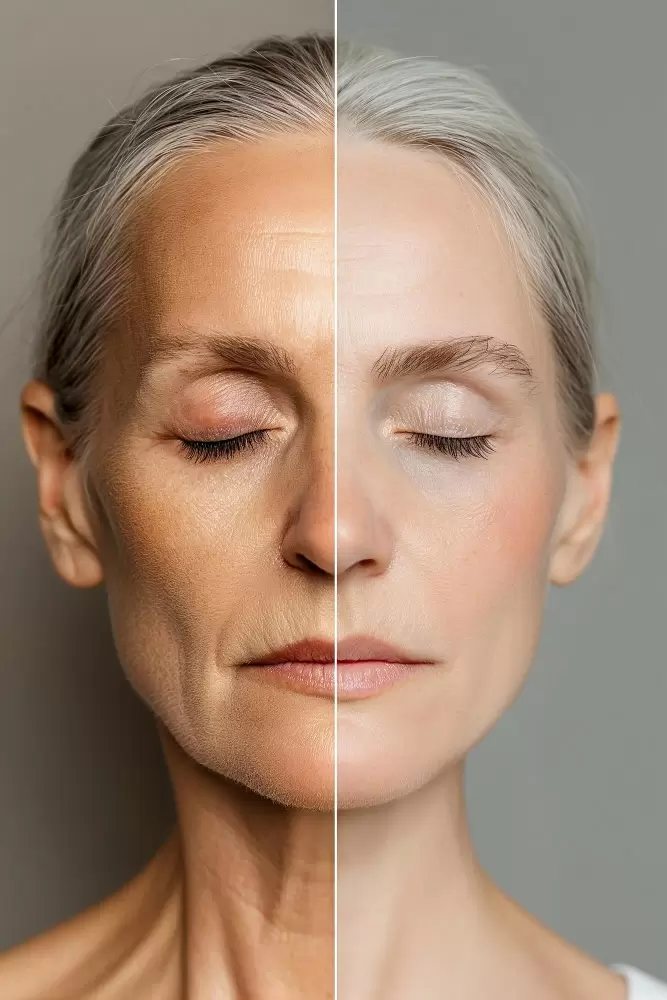
Facelift (facial rhytidectomy) and necklift (neck rhytidectomy) are two surgical techniques designed to correct laxity in the face and neck.
What you should know
Facelift & Necklift
Consultation
Every treatment plan is tailored to you. Discuss your options with our surgeons.
Call 216 002 3854 ↗Facelift (facial rhytidectomy) and necklift (neck rhytidectomy) are two surgical techniques designed to correct laxity in the face and neck. Over time, the deeper structures of the face and neck change (the SMAS, ligaments, muscle groups, subcutaneous fat and bony framework). Combined with the gradual loss of skin elasticity, these changes lead to overall laxity and sagging, creating a visibly older appearance.
Overview
Facelift: Focuses mainly on tightening the lower and middle thirds of the face and, in some cases, the upper areas as well (high SMAS facelift).
Necklift: Aims to refine the neck area, correcting laxity of the skin and muscles as well as any accumulation of fat.
Combining a Facelift and Necklift in a single procedure can deliver a strikingly youthful yet natural result, offering complete rejuvenation of the face and neck. The procedure is often combined with liposuction and/or fat transfer.
What are the main reasons people choose a Facelift and/or Necklift?
- Laxity of the face and neck, with loss of the facial oval and deepening of wrinkles.
- Double chin
Accumulation of fat and loss of firmness beneath the chin or along the neck. - Volume loss
The reduction of subcutaneous fat, and sometimes of bony support, alters the facial contour, causing a “hollowed” look and depressions.
Facelift & Necklift Techniques
The main approaches are outlined below:
- Classic or Full Facelift
Involves incisions in front of and behind the ear, allowing the deeper tissue layers (SMAS – Superficial Musculo-Aponeurotic System) to be repositioned and excess skin to be removed. It is suitable for people with pronounced facial laxity.
- Mini Facelift
Involves work on the SMAS, though less extensive than in a full facelift. The incisions are more limited and the lift focuses mainly on the lower face. The smaller scope of the procedure allows a faster recovery and a shorter operating time. It is ideal for people with mild to moderate laxity who would like a more subtle improvement. - Necklift
The incisions are usually made behind the ears and, in some cases, beneath the chin if excess fat needs to be removed or the muscles in the area tightened. It aims to tighten the platysma muscle of the neck and redefine the jawline. - Combined Facelift & Necklift
A Facelift is often extended to address laxity of the neck at the same time. This combination is considered ideal for people with visible signs of ageing in both the face and the neck, achieving harmonious, all-round rejuvenation.
The initial consultation
The first meeting with the plastic surgeon is crucial to a successful outcome, as it lays the foundations for a relationship of trust and honest communication. This stage includes:
- Medical history
Factors such as any health conditions, current medication and daily habits (e.g. smoking, alcohol) are reviewed. - Clinical examination
The surgeon assesses the degree of laxity, the quality of the skin and the anatomy of the area. - Explanation of the techniques
The options (Full Facelift, Mini Facelift, Necklift or a combination) are presented, with a detailed discussion of the likely results and the incisions. - Expectations & achievable results
Realistic goals are agreed and the most suitable method or combination of techniques is recommended. - Written consent
Once the patient agrees, the surgical plan is set, followed by detailed guidance on pre-operative preparation and post-operative care.
Pre-operative Preparation
To ensure a safe and successful procedure, we recommend:
- Blood tests and possibly a cardiac assessment, depending on age and medical history.
- Stopping medication & supplements that affect blood clotting (e.g. aspirin, non-steroidal anti-inflammatories, vitamin E, fish oils) at least 10 days before surgery.
- Stopping smoking 4–6 weeks before (and after) surgery, as smoking can impair healing.
- Avoiding alcohol for 48 hours before surgery.
- Fasting for 8–12 hours before the procedure if general anaesthesia is used.
The Procedure
- Anaesthesia
Usually performed under general anaesthesia or, in some cases, under sedation with local anaesthesia, depending on the extent of the procedure. - Duration
The procedure can last from 2 to 4 hours, depending on the type and combination of techniques. - Technique
Through carefully placed incisions (usually around and behind the ears, and possibly beneath the chin), the skin and underlying tissues are lifted and secured. The procedure is often combined with liposuction and/or fat transfer.
- Drains
In some cases, fine drains are placed to remove fluid; these are removed after 1–2 days. - Hospital stay
A stay of a few hours or one night in the clinic may be required, depending on the scope and duration of surgery. Special regional anaesthesia techniques are used during the operation which, combined with appropriate pain relief, mean there is minimal to no post-operative pain.
Post-operative care
Careful post-operative follow-up and adherence to your surgeon’s instructions play a decisive role in a smooth and successful result:
- Medication
Painkillers are usually prescribed to manage any discomfort and, where appropriate, antibiotics to prevent infection.
- Recovery & Incision Care
Dressings are usually removed within the first 2–3 days. They are then replaced with a special supportive face garment, which helps reduce swelling and keeps the tissues in the correct position. The incisions are checked and cleaned regularly by the surgeon or according to their instructions.
- Swelling
Swelling in the first few days is entirely normal. It improves gradually over 1–3 weeks. Wearing the special garment helps the swelling subside more quickly.
- Avoiding Strenuous Activity
Physically demanding activities, such as intense exercise and heavy lifting, should be avoided for approximately 3–4 weeks to protect the treated areas.
- Sleep & Head Position
The head should be kept slightly elevated during sleep for the first few days. This helps reduce swelling and prevents pressure on the treated areas.
- Returning to Daily Life
Most patients can return to light activities within 7–10 days. Returning to full activity depends on the extent of the procedure and the progress of recovery.
- Final Result
Although the first results are visible soon, the swelling subsides fully over time and the scars soften. The final result settles within 2–3 months.
Frequently asked questions
How long does the result of a facelift last?
A facelift “turns back the clock” by approximately 8–12 years. Natural ageing continues, but the face will always look younger than it would have without the procedure. Sun protection, a stable weight and not smoking all help to maintain the result.
Will the scars be visible?
The incisions follow the natural creases around and behind the ear and within the hairline, so once fully healed they are remarkably discreet.
Will I look “pulled”?
No. Modern techniques restore the deeper structures (SMAS) to their natural position without excessive tension on the skin, so the result looks natural and refreshed.
Can it be combined with other procedures?
Yes. It is often combined with blepharoplasty, facial fat transfer or liposuction of the double chin, for a more comprehensive rejuvenation.
When can I go out socially?
Most of the swelling and bruising subsides within 2–3 weeks, at which point most patients feel comfortable returning to social occasions.
Conclusion
Whether performed individually or together, a Facelift and Necklift give a more youthful, refreshed appearance, boosting self-confidence and overall quality of life. Choosing the right technique, a personalised approach and excellent collaboration with your surgeon, from the initial assessment through to full recovery, are the most important factors for a safe, natural and long-lasting aesthetic result.
The first step is an
honest conversation.
Chrysostomou Smyrnis 48-60, Vyronas, Athens · By appointment only
Call 216 002 3854 ↗